

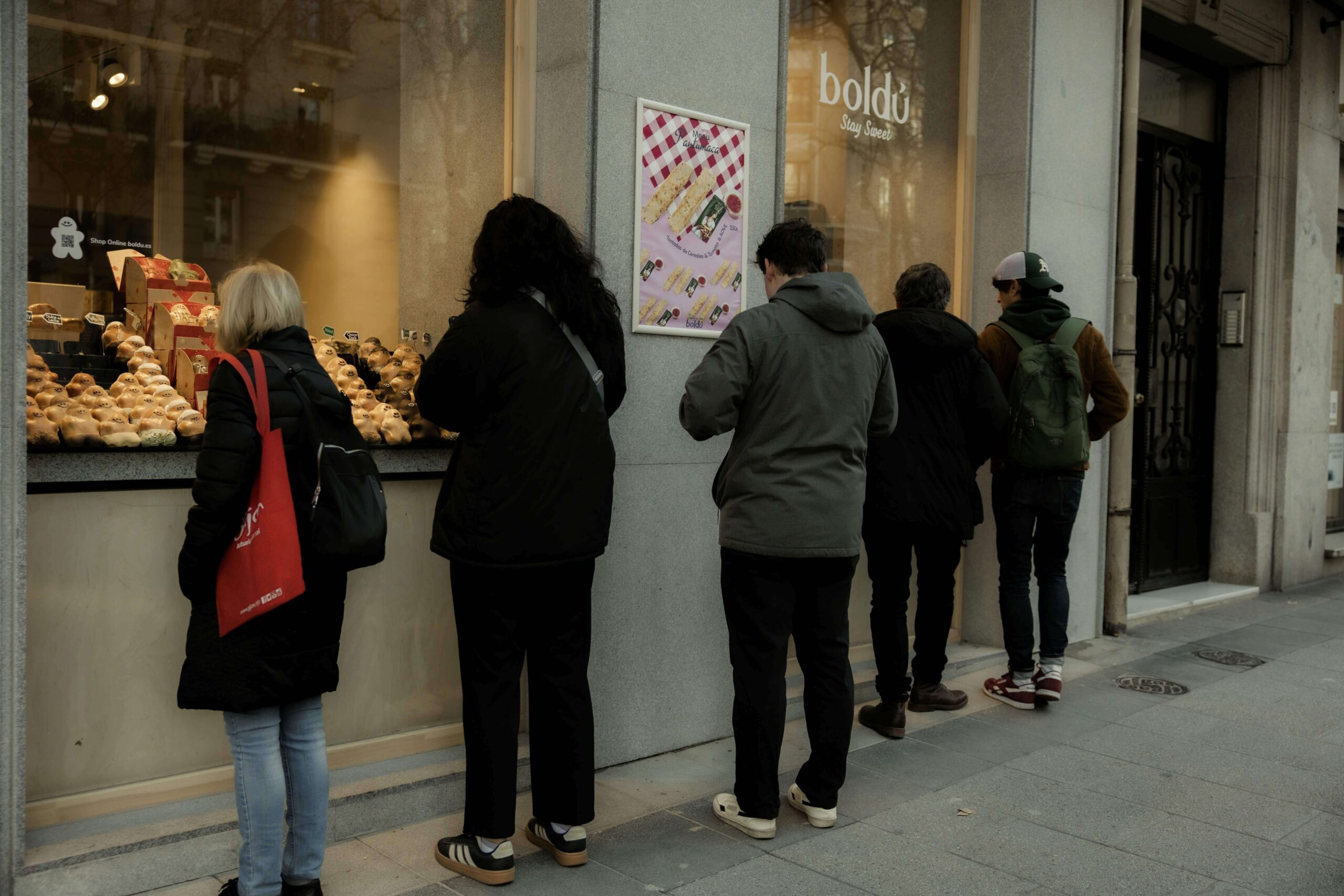
There was a small bakery on a busy street. The bread was good. The coffee was even better. For years, people lined up every morning.
Then a new bakery opened two blocks away. Same bread. Same coffee. But this one offered something different: the ability to order ahead on your phone. Walk in, pick up your bag, and walk out. No line. No waiting.
Slowly, the old bakery began losing customers. Not because its bread had got worse, but because the world around it had changed — and it hadn’t changed with it.
That’s what digital transformation really means. It’s not some big, intimidating tech buzzword. It’s simply about using digital tools to keep pace with how people live, shop, and work today.
Why 2026 Is Different
Every year, someone declares, “This is the year digital matters most.” But 2026 is different for one simple reason: customers no longer compare your business only to the competitor down the street. They compare it to every great digital experience they’ve ever had.
They can order food, book a doctor’s appointment, and pay a bill in three taps. Across three different apps, they get used to convenience becoming the norm. Naturally, they expect the same simplicity from your business.
If you’re still relying on paper forms and phone calls for everything, you’re not just old-fashioned. You’re making it harder for people to do business with you.
And people choose easy.

A Strategy, Not Just a Tool
Buying new software isn’t a strategy. Neither is launching a shiny new website. A genuine digital transformation strategy starts with three simple questions:
- What are our customers struggling with right now?
- Which digital tools can actually solve those problems?
- How do we equip our people to use those tools effectively?
Skip any one of these, and the transformation is likely to fail.
A business can invest in the best software in the world and still fall behind if its team doesn’t know how to use it — or if the technology solves a problem its customers never had in the first place.
What Happens Without One
Businesses without a digital strategy rarely fail overnight. They fade. Slowly. One customer at a time.
They lose the person who wanted to book online instead of picking up the phone. They lose the customer who expected an emailed receipt rather than a crumpled paper slip.
Each loss seems insignificant on its own. But together, they add up to something much bigger: a business quietly falling behind.
One small business owner summed it up perfectly after finally taking her shop online:
“I didn’t lose customers because they stopped liking us. I lost them because it got easier to choose someone else.”
The Bakery, Revisited
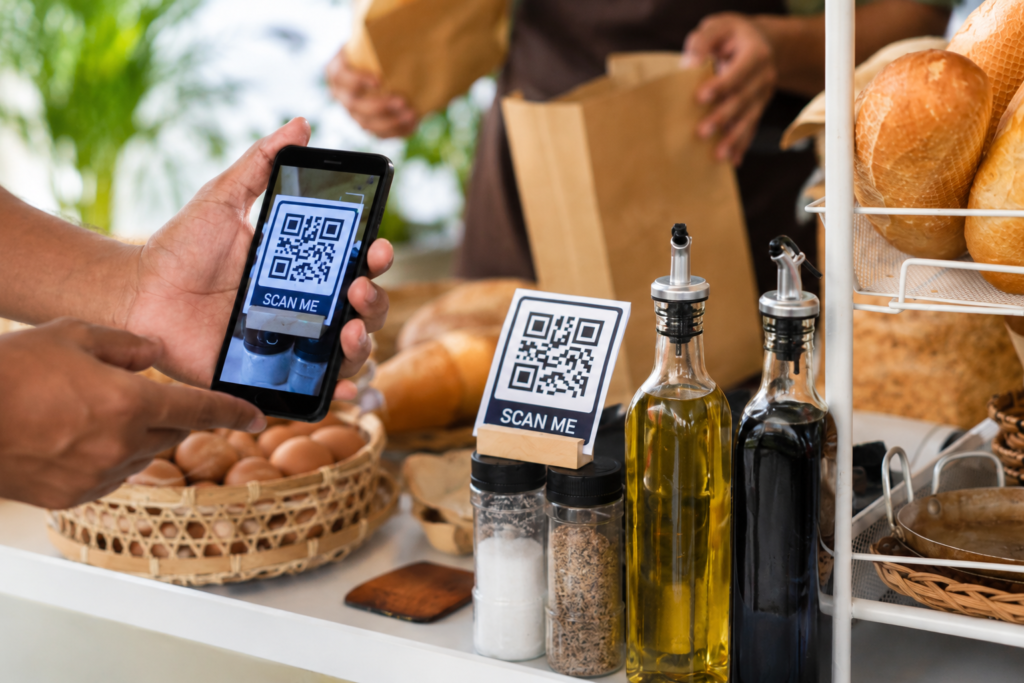
Eventually, the old bakery changed too. They introduced online ordering and trained their staff to use it well. They didn’t change their bread recipe. They didn’t need to. They simply made it easier for people to keep choosing them.
That’s digital transformation at its core. It’s not about chasing every new trend. It’s about making sure the good things you already do remain easy for people to find, access, and enjoy.
In 2026, easy wins. No matter how good your product is, your business needs a plan to make sure choosing you stays easy.
Ready to make your business easier to choose?
Whether you’re exploring a new idea, planning a digital transformation, or simply looking for a better way to serve your customers, we’d love to hear from you.