

Cargo Station Reimagines Freight Forwarding Software with Verdant DevCore Technologies
A scalable, API-ready logistics platform with web and mobile apps that covers quotes, pickups, warehouse receiving, real-time tracking, invoicing, team collaboration and multi-division operations.

- 4Delivery Phases
- 2App Interfaces
- 13Shipment Statuses
- 9Rate Parameters
Project Overview
Cargo Station is a logistics software suite and mobile app for freight forwarding and shipping companies. It was conceived by people who run a shipping business and were frustrated by the tools on the market. The goal is a robust, dynamic and scalable platform that connects to other systems through APIs and is built around the people who use it.
Verdant DevCore Technologies is delivering the suite in four phases: receiving operations, quotes and pickups first, then tracking, then invoicing and communications, and finally accounting, with sprints running through each phase. The web platform is built alongside a mobile app with two interfaces, one for shipping companies and one for their customers.
Business Challenge
Shipping has many moving parts, and the software most forwarders use doesn’t keep up. In the client’s experience, pickup requests weren’t properly supported, tracking numbers changed when cargo reached the warehouse, tasks were buried in a separate module, invoices lacked the detail enterprise clients ask for, and adding a new division meant buying a new account and a new server.
The consequences are costly: missed deadlines, customers surprised by charges higher than their quote, disputes over damaged cargo, and duplicated accounting. Rate automation existed but was so hard to use that most staff skipped it. Cargo Station needed to fix these problems while staying simple enough for any team member to use from day one.

Why Cargo Station Chose Verdant DevCore Technologies
The Cargo Station team brought deep industry knowledge and a detailed vision. They needed a technology partner who could turn it into a phased, buildable plan and engineer a platform that scales: a web application, a mobile app with separate company and customer interfaces, and APIs for integrations such as QuickBooks, Wave and Mailchimp.
Verdant DevCore Technologies organised the feature set into four delivery phases, each run in sprints, so the most valuable operational modules come first and every phase builds on a working product.
The Solutions
Cargo Station covers the full shipment lifecycle, from first quote to final invoice:
- Quotes: pull rates from the system, edit quotes with tables, images and charts, convert currencies, attach standard clauses and export branded PDFs.
- Pickup requests and orders: requests from the web, the app or customer service go straight into the system, notify the pickup agent, confirm times with the customer, and convert to a detailed pickup order (ground bill of lading) in one click.
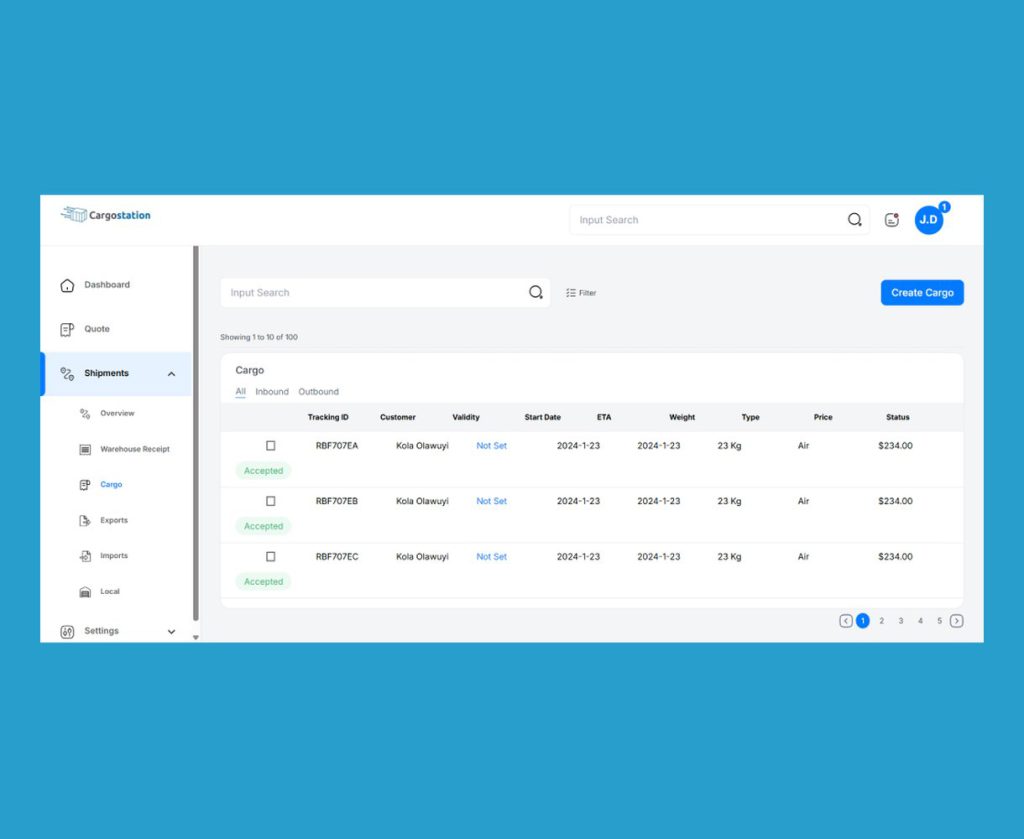
- Warehouse receiving: one tracking number from pickup to delivery, damage inspection alerts, photos at receiving, and warehouse receipts that double as detailed packing lists.
- Quote protection: if received weights or dimensions differ from the quote, the shipment is locked until the customer accepts an updated quote, so there are no billing surprises.
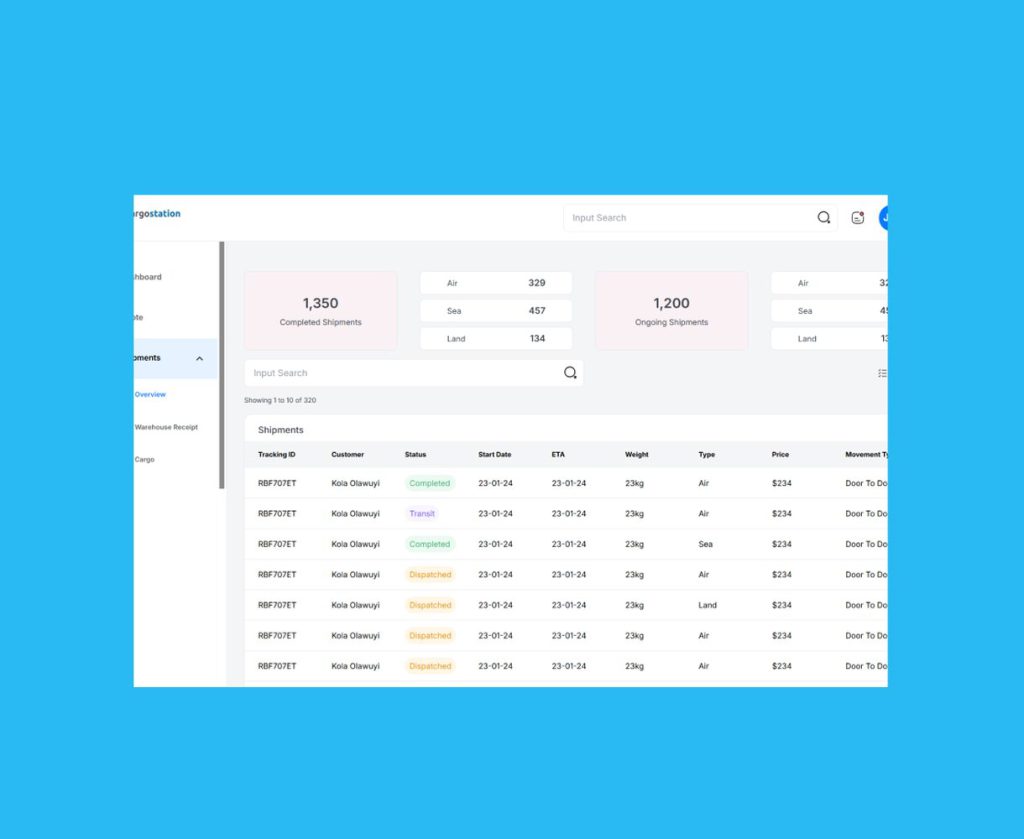
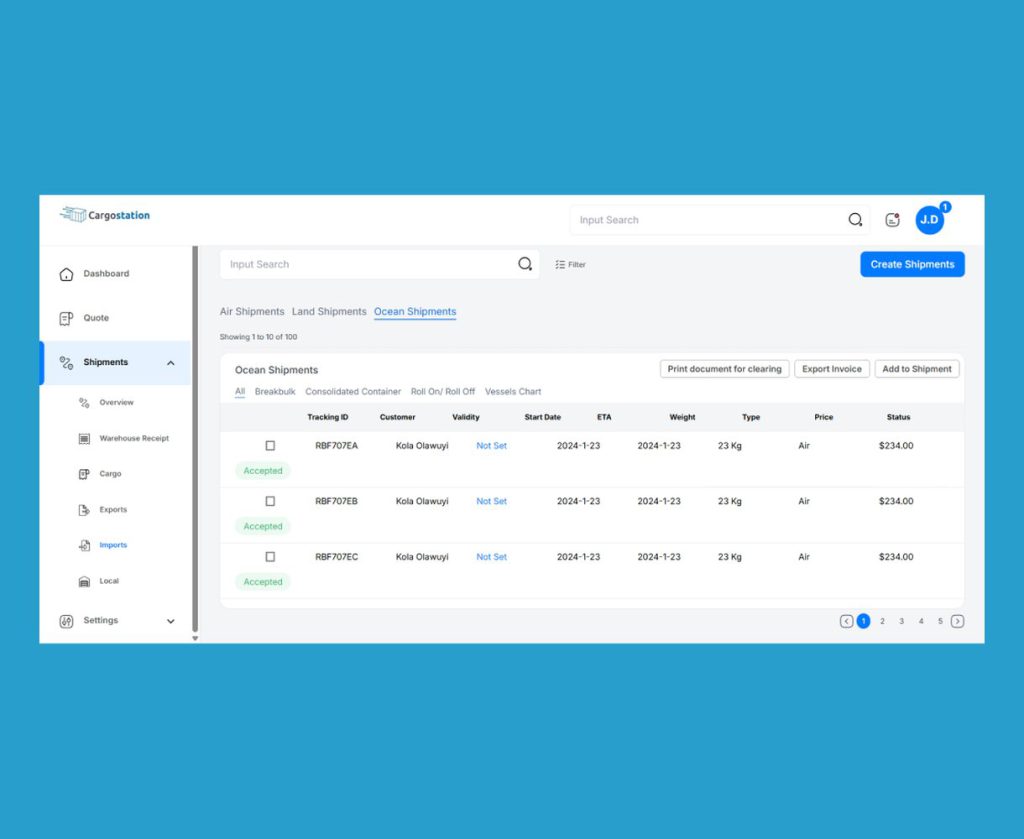
- Tracking: internal workflow tracking that flags unfinished work, and real-time external tracking for customers on the web, in the app and by email or SMS, across 13 shipment statuses.
- Invoicing: line-item shipment descriptions, customer references and purchase orders, every leg of the journey, and a pay-now link.
- Collaboration: a task button on every screen, tasks shared in real time across web and mobile, configurable reminders (such as sail-date deadlines) and an internal information hub.
- Rates: one engine for buying and selling rates that handles weight, volume, origin and destination, days, time, pieces and value.
- Divisions: multiple companies under one account, each with its own currency, documents and accounting setup, and shipment numbers that never repeat across divisions.
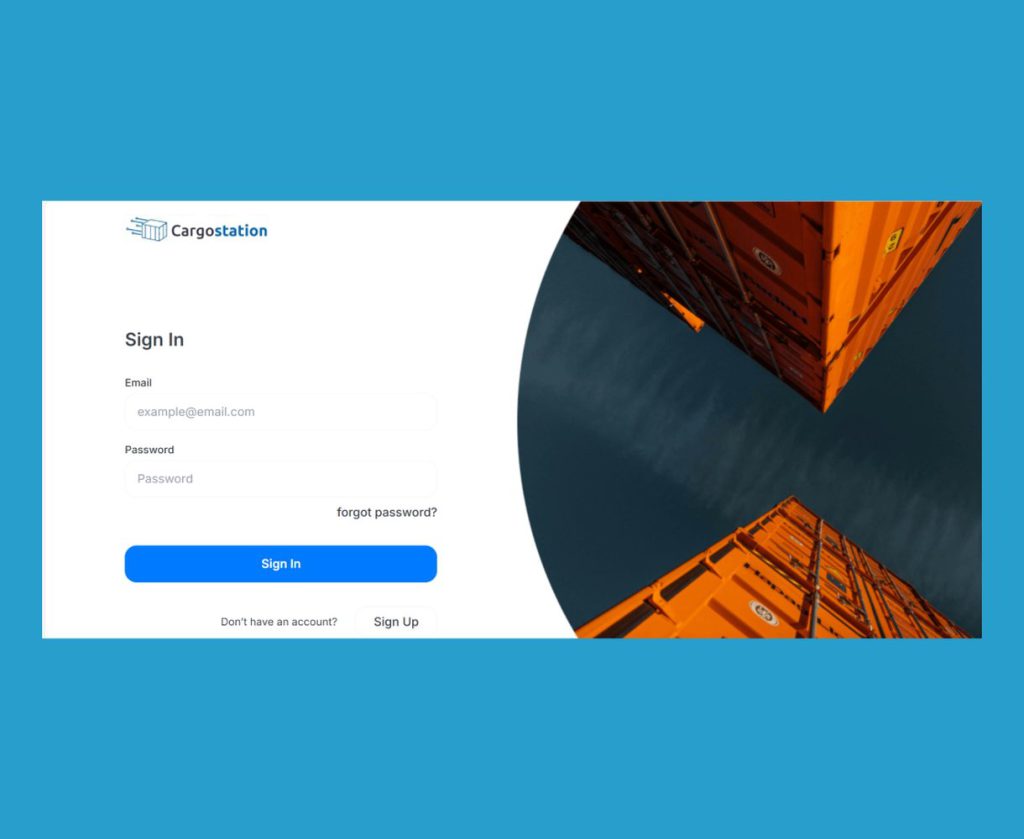
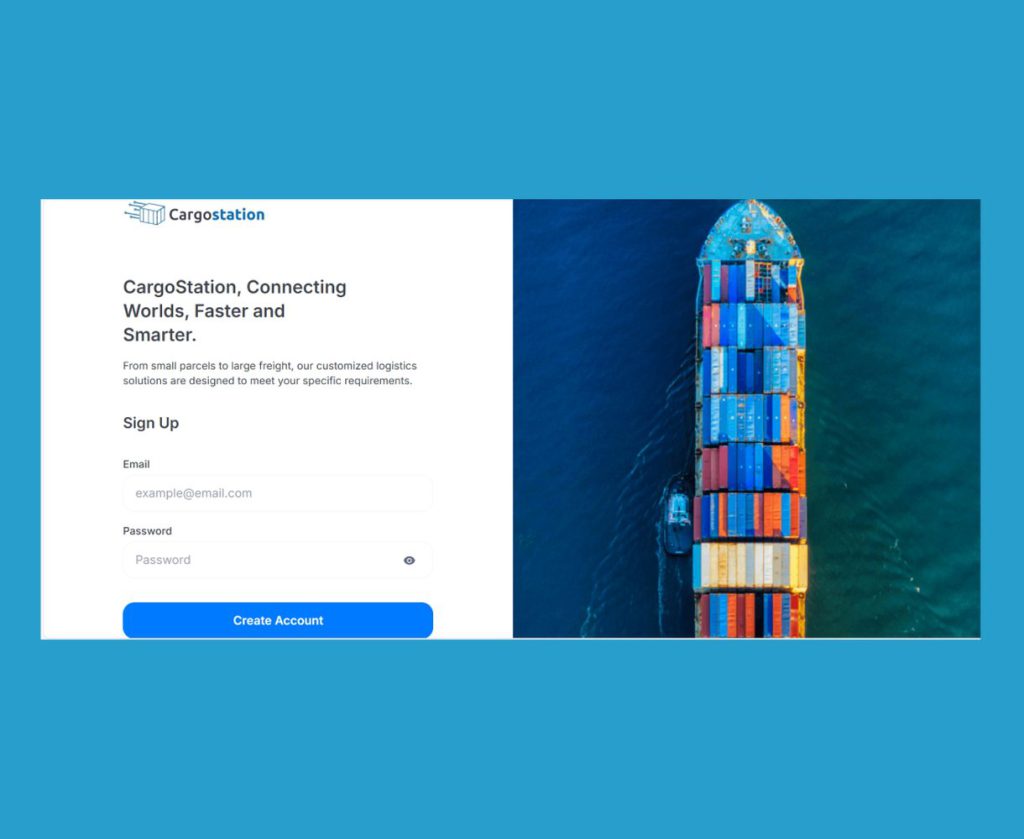
Customers get their own mobile interface for tracking, shipment alerts, quote requests, pickup scheduling and invoices, which also carries promotions, coupons and push notifications. Built-in help guides on every page let new users learn the system without leaning on support.
Impact
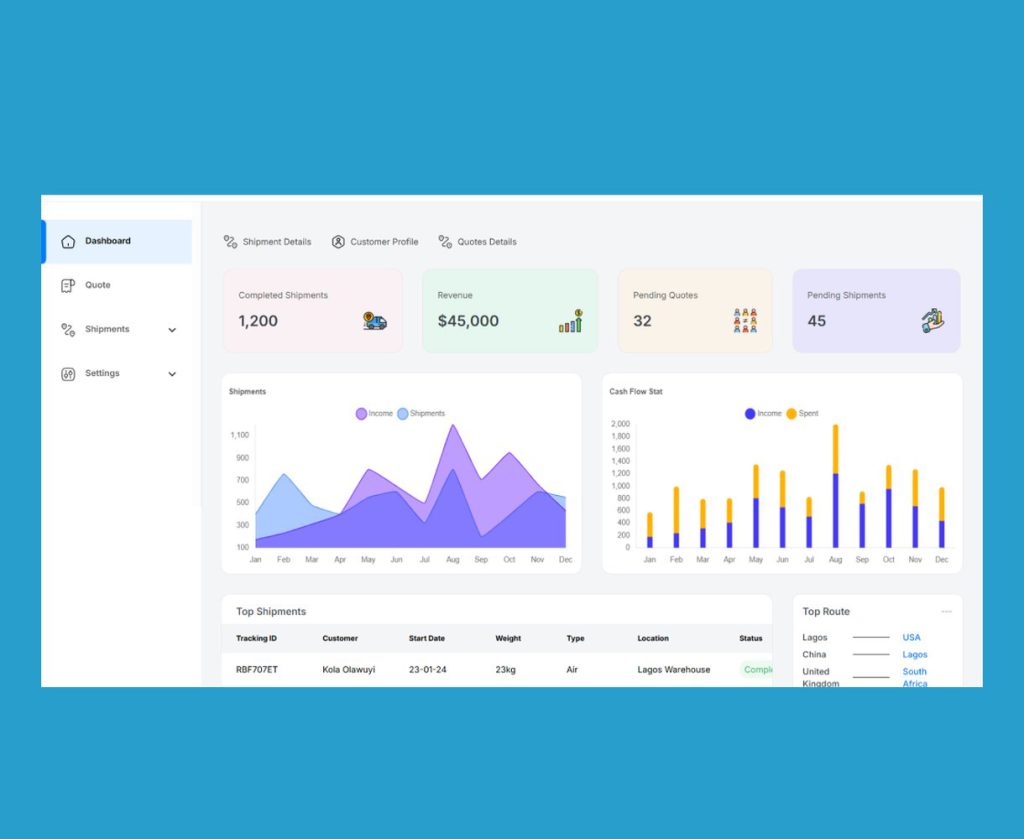
Cargo Station is designed to give forwarders full visibility and control over every shipment. Customers can follow their cargo from pickup to delivery and confirm the shipping method and price before it moves, which reduces claims and disputes. Staff get alerts before deadlines are missed, so even a busy team stays on top of its work.
For growing businesses, divisions make international expansion a configuration step instead of a new installation, and accounting integrations remove double entry. With quotes, pickups, warehouse receipts, tracking and invoices sharing one shipment number, everyone from customer service to accounting to the customer works from the same information.
Key Takeaways
- The best industry software is designed with the people who do the work. Cargo Station’s features come straight from day-to-day frustrations with existing tools, which makes them immediately useful.
- Proactive alerts prevent costly mistakes. Reminders tied to real events, like sail dates, unfinished quotes or price mismatches, help teams meet deadlines and keep customers informed.
- Plan for growth from the start. Multi-division support, API integrations and phased delivery let the platform scale with the business instead of being rebuilt as it grows.
Frequently Asked Questions
Have questions about this project? Explore answers to common inquiries about the objectives, design process, challenges, and outcomes to better understand how the solution was planned, executed, and delivered.
A logistics software suite and mobile app for freight forwarding and shipping companies, covering quotes, pickups, warehouse receiving, tracking, invoicing, internal communication and accounting.
In four phases, each run in sprints: (1) tutorials, receiving operations, quotes, pickup requests and orders, shipment status and divisions; (2) internal and external tracking, with extended quote configuration; (3) invoicing, tasks, reminders, an information hub and external communications; (4) accounting.
There are two interfaces: one for shipping companies, with most of the web platform’s features, and one for their customers, who can track shipments, receive alerts, request quotes, schedule pickups and view invoices.
When received weights or dimensions differ from the quote, the shipment is locked. The customer receives an updated quote to accept, change the shipping method or decline, and an admin unlocks the shipment only after the customer accepts.
Yes. The platform is built API-first, with integrations planned for QuickBooks and Wave for accounting and Mailchimp for mass email.